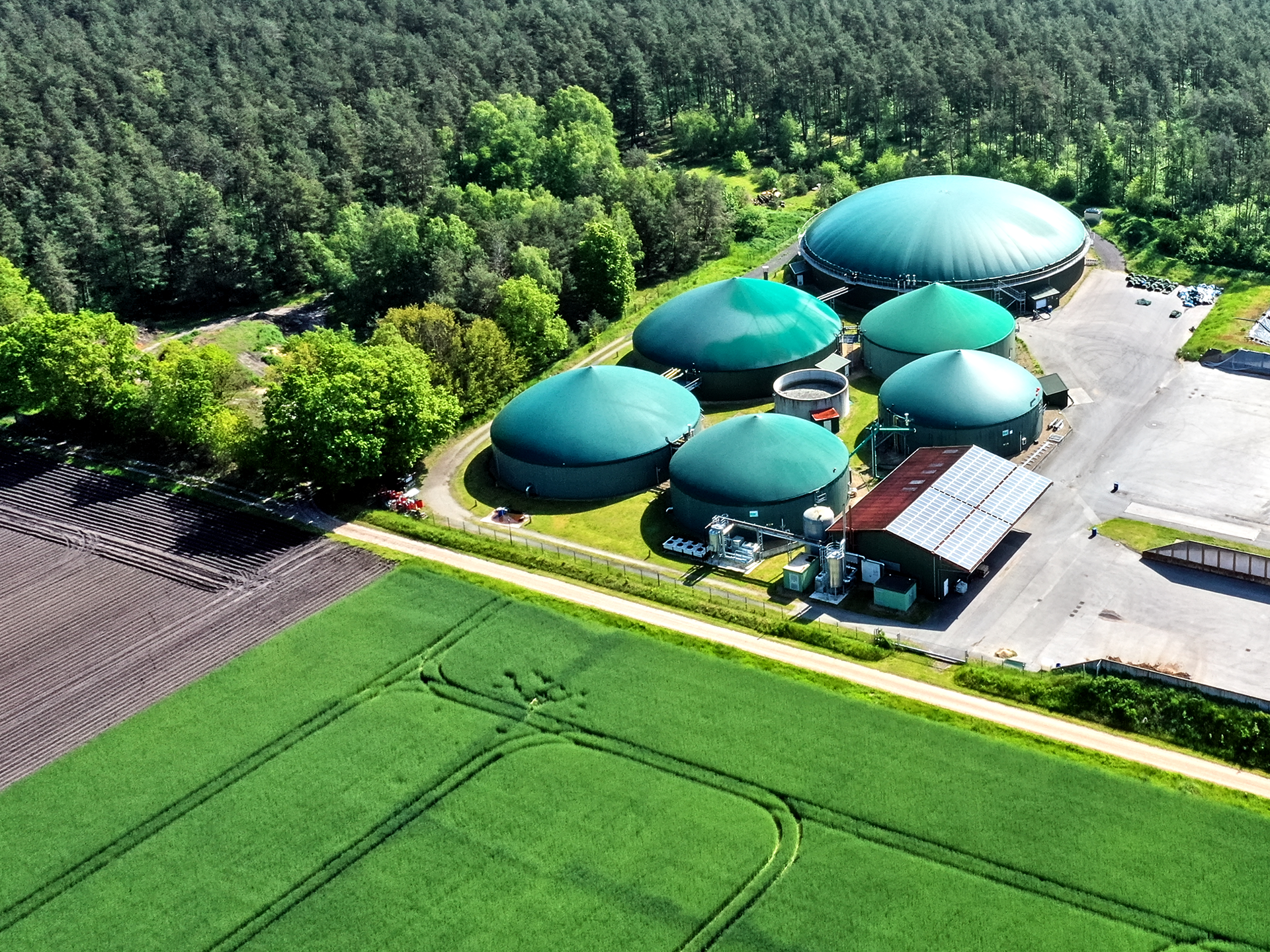
Gas-Tight Performance
Low gas permeability minimizes methane losses, improves process efficiency, and supports reliable energy generation.

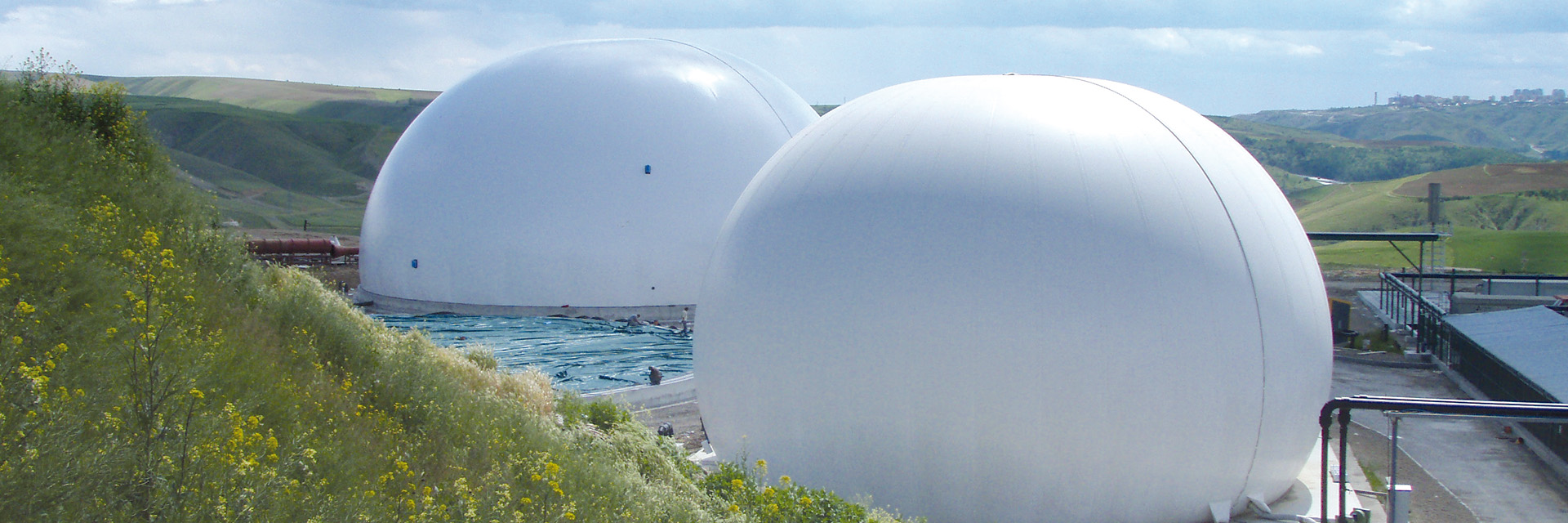
Powering Biogas – strong, safe, and efficient, this approach ensures reliable energy generation by maximizing output, maintaining high safety standards, and optimizing performance across the entire biogas process.
Low gas permeability minimizes methane losses, improves process efficiency, and supports reliable energy generation.
Its high tensile and tear strength ensure reliable performance under continuous mechanical stress.
It can withstand UV radiation, temperature variations, and extended exposure to the outdoors.
The material's durability ensures its resilience against aggressive fermentation gases, moisture, and agricultural chemicals.
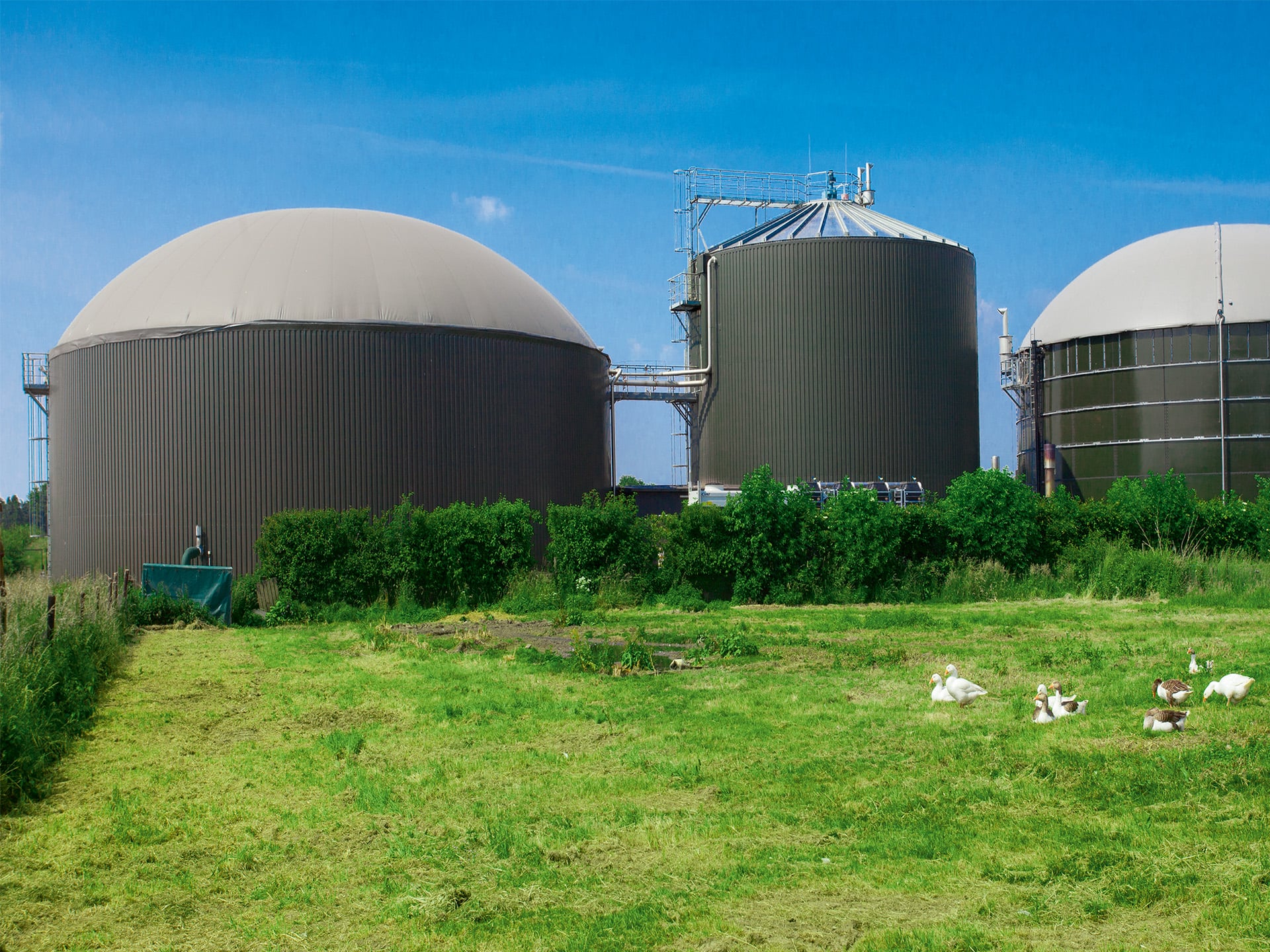
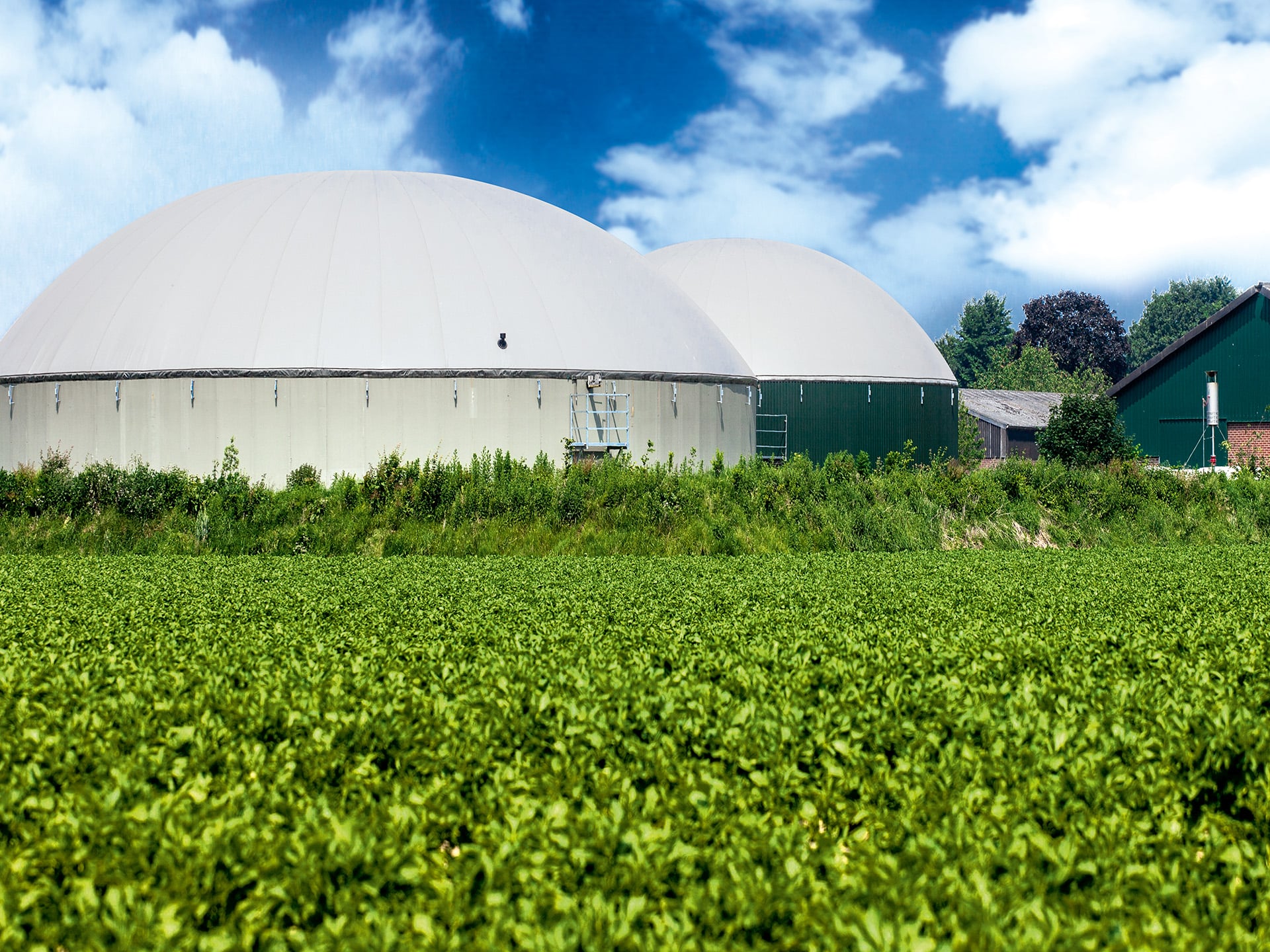
A high-performance biogas membrane should have low gas permeability, high mechanical strength, weather resistance, chemical resistance, and reliable weldability. These properties ensure efficient gas retention, a long service life, and reliable operation under demanding environmental conditions. Our biogas membrane range is specifically engineered to provide this combination of performance characteristics for modern biogas facilities.
Methane is the primary energy carrier in biogas. A membrane with low gas permeability reduces gas losses, supports process efficiency, and contributes to stable plant operation. Lowering methane emissions also helps operators meet environmental and operational requirements. Our biogas membranes achieve permeability values below 500 cm³/(m²·d·bar), which supports efficient gas retention and reliable energy production.
TRAS 120 is a German technical guideline for biogas installations that emphasizes operational safety, environmental protection, and the prevention of methane emissions. Projects requiring compliance with these recognized technical requirements, or that need additional safety-related features such as flame retardancy, low gas permeability, and electrostatic dissipation, typically select TRAS-compliant membranes. biogas 900 II TRAS and biogas 1200 III TRAS are designed for these demanding applications.
Standard grades prioritize reliable, gas-tight performance, durability, and weather resistance for everyday biogas applications. FR grades add flame-retardant properties to enhance operational safety. TRAS grades combine flame retardancy with TRAS 120 compliance, making them ideal for projects that require adherence to recognized technical safety standards and regulatory requirements.
Throughout their service life, biogas membranes are typically exposed to UV radiation, temperature fluctuations, wind loads, moisture, and aggressive fermentation gases. Therefore, long-term weather resistance and UV stability are essential selection criteria. Our biogas membranes are equipped with modern UV stabilizers and are designed to perform reliably in demanding outdoor agricultural environments over the long term.
Our experts support you with customized textile solutions — from gas storage domes to protective outer membranes. Let’s find the perfect fit for your system.