

Low-Wick Yarn Technology in Tent Fabrics
Moisture management in tent fabrics is often associated with coatings, waterproofness and surface treatments. However, one of the most effective ways to reduce moisture-related challenges begins much deeper within the fabric construction. By engineering the reinforcement yarn itself, low-wick technology addresses capillary transport at its source. The result is a tent fabric that helps reduce water migration, supports a cleaner appearance and contributes to reliable long-term performance in demanding temporary and semi-permanent structures.
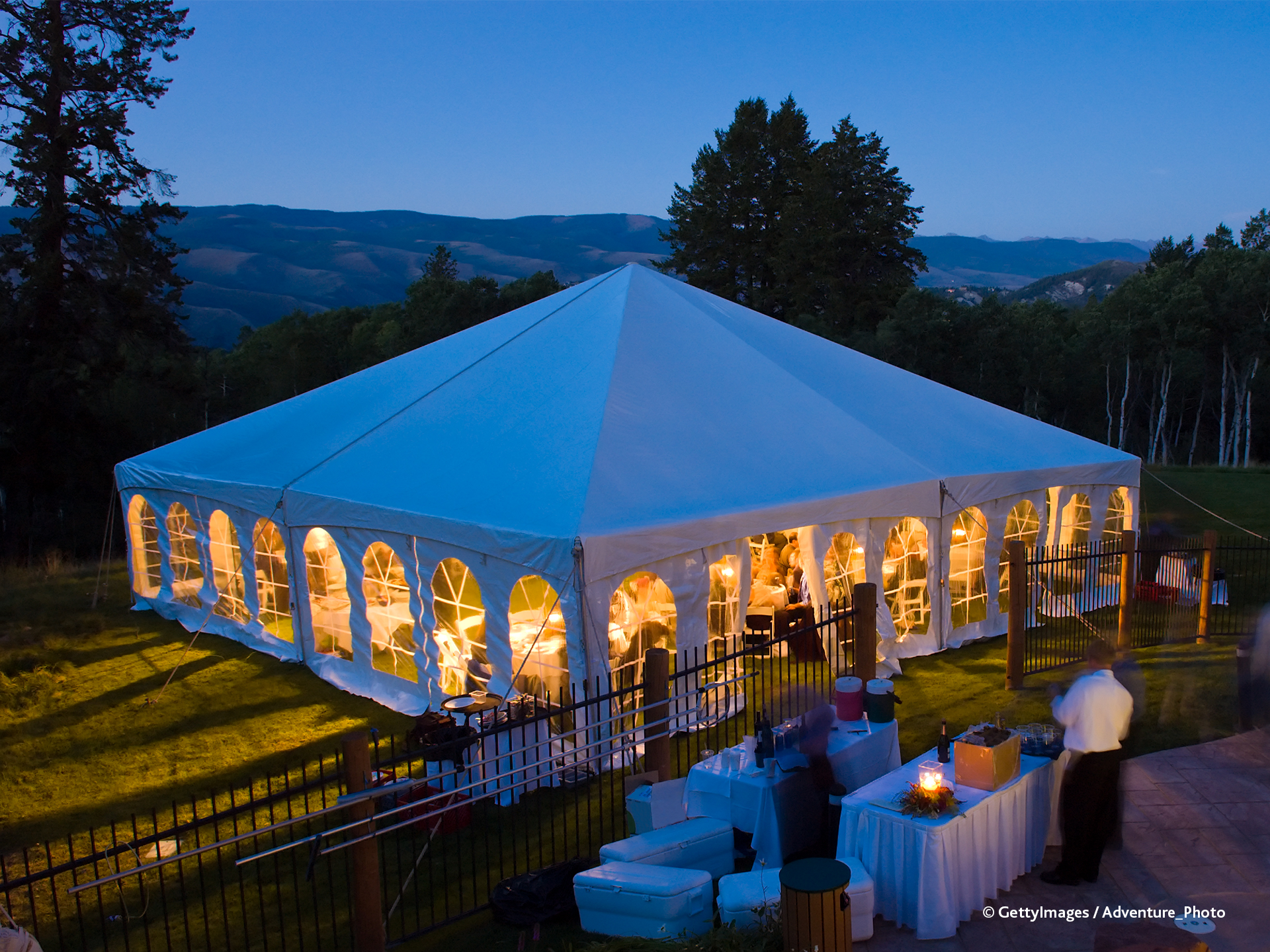
Low-Wick Yarn Technology in Tent Fabrics: Why Moisture Management Starts Inside the Yarn
Looking Beyond the Coating
When evaluating tent fabrics, attention is often focused on the coating system. Properties such as waterproofness, UV resistance, flame retardancy and weldability are immediately visible and easy to compare.
However, long-term performance is influenced by another component that remains largely hidden: the reinforcement fabric itself.
One important aspect is the yarn's tendency to transport moisture through capillary action, a phenomenon commonly referred to as wicking.
For temporary and semi-permanent tent structures, controlling this moisture transport can significantly improve hygiene, appearance and service life.
Understanding the Wicking Effect
Textile yarns consist of numerous individual filaments. The small gaps between these filaments create microscopic capillaries.
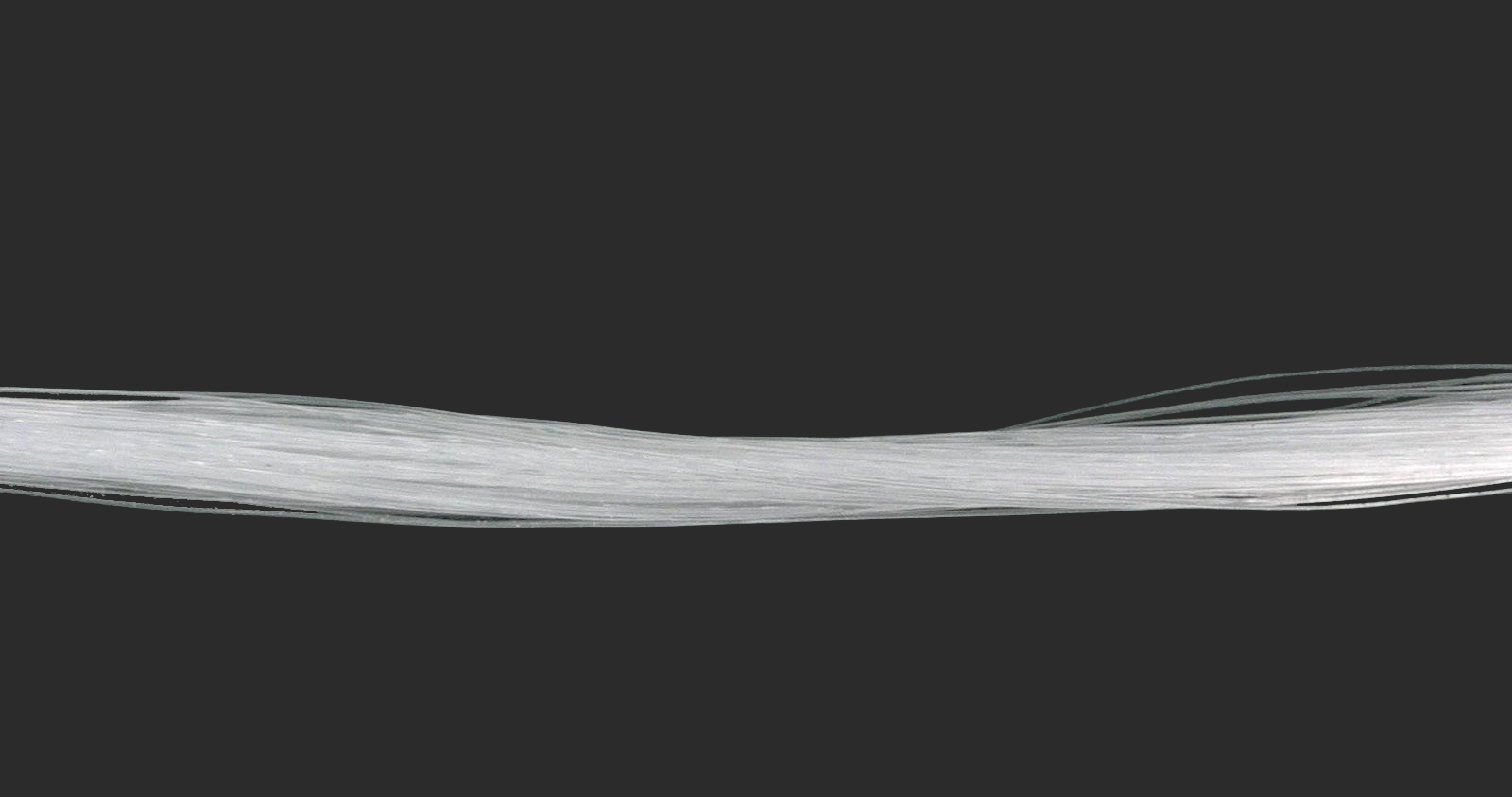
When moisture reaches a cut edge, seam or damaged area, these capillaries can transport water through the fabric structure, even beyond the original point of contact.
The process is similar to how a paper towel absorbs and distributes liquid.
In tent fabrics, this can lead to
- Moisture accumulation at edges and seam
- Increased contamination by dirty water
- Longer drying times
- Higher risk of mould, algae and bacterial growth
- Visible staining around damaged areas
The larger the structure and the longer the installation period, the greater the potential impact.
Why Moisture Migration Becomes Critical in Tent Structures
Unlike many other coated textile applications, tent fabrics are frequently exposed to repeated cycles of installation, use, dismantling, transport and storage.
This creates conditions that are particularly challenging for moisture management:
- Structures are often folded and packed while residual moisture is still present.
- Condensation can form inside a structure even without rainfall.
- Tent fabrics are subjected to repeated wet-dry cycles over their service life.
Cut edges, welds and connection points experience continuous mechanical stress during assembly and dismantling.

As a result, moisture is not only a weather-related issue. It can become a long-term performance factor influencing appearance, maintenance requirements and fabric durability.
For temporary and semi-permanent structures, controlling moisture migration within the fabric itself can therefore play an important role in maintaining reliable performance over multiple installation cycles.
Conventional Solutions and Their Limitations
Historically, moisture protection has primarily been addressed through coating technologies.
Coatings are highly effective at preventing water penetration through the fabric surface. However, every tent fabric must eventually be:
- cut
- welded
- stitched
- tensioned
- repaired
Whenever the internal textile structure becomes exposed, moisture can still travel through the reinforcement fabric itself.
This explains why moisture-related issues frequently originate at seams, welds and edges rather than in the coated surface area.
The Low-Wick Approach
Low-wick technology addresses the problem at its source: the yarn.
Instead of relying solely on the coating, specially engineered yarns are used whose construction significantly reduces capillary transport within the textile structure.
In simple terms, the yarn itself becomes less capable of transporting water.
As a result, moisture remains localized rather than spreading through the fabric construction.

For tent manufacturers, this means the performance characteristic remains present throughout fabrication and service life, even after cutting and welding the material.
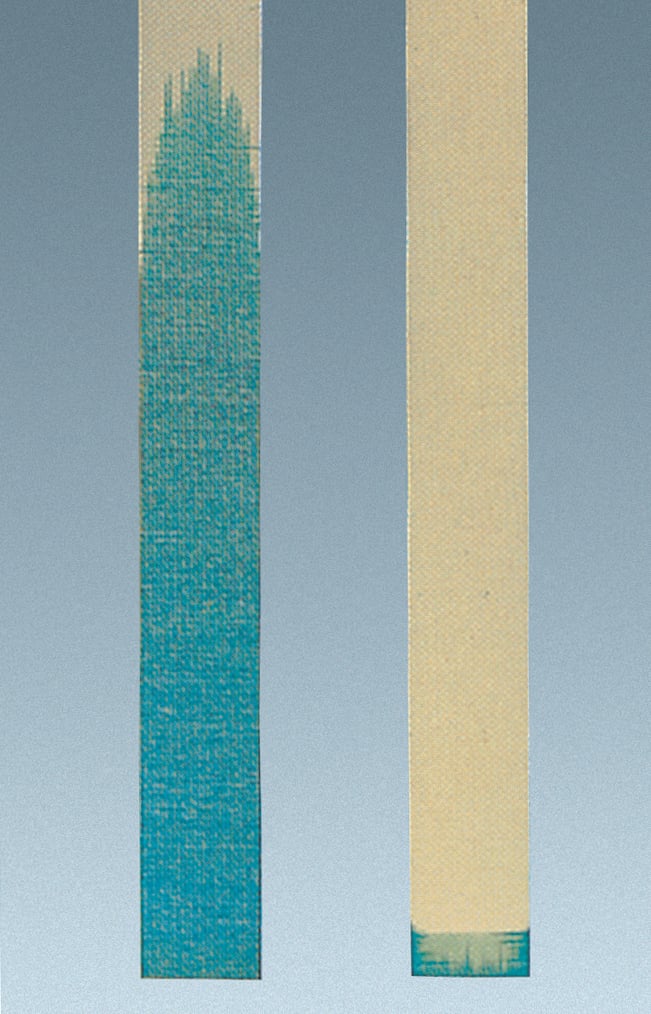
How Low-Wick Yarns Are Engineered
Low-wick performance does not originate from the coating. It begins with the yarn itself.
Conventional multifilament polyester yarns contain numerous microscopic pathways between individual filaments. These pathways can act as capillaries, enabling moisture to migrate through the textile structure.
Low-wick yarn technology reduces this effect through a modified yarn design that limits capillary action within the reinforcement fabric. As a result, water transport along the yarn is significantly reduced.
By incorporating low-wick yarns into both warp and weft directions, moisture migration can be minimised throughout the complete fabric structure rather than along a single axis.
This approach ensures that the performance characteristic remains present even after cutting, welding, cleaning or long-term use.
Benefits for Temporary and Semi-Permanent Tent Structures
Cleaner Structures Over Time
Temporary event structures are often installed and dismantled repeatedly.
During transport, storage and installation, cut edges and connection zones experience continuous wear.
Reducing moisture migration helps limit the spread of dirt and contamination originating from these areas.
Reduced Biological Growth
Moisture is a prerequisite for mould, algae and bacterial development.
Although low-wick technology cannot eliminate biological growth entirely, reducing moisture retention can help create less favourable conditions for its development.
This is particularly relevant for:
- Event tents
- Storage tents
- Humanitarian shelters
- Semi-permanent structures
located in humid climates.
Faster Drying
After cleaning or rainfall, less retained moisture can support faster drying.
For rental companies and tent operators, shorter drying times can improve turnaround between projects and reduce storage risks.
Enhanced Visual Appearance
Tent structures are frequently selected because of their aesthetics.
Limiting moisture migration can help reduce visible staining around seams, welds and damaged areas, supporting a cleaner appearance over time.
Event Tent Plus 650 FR LW: Low-Wick Technology in Practice
Event Tent Plus 650 FR LW combines proven event tent performance with low-wick yarn technology in both warp and weft directions.
The result is a fabric that not only delivers weather resistance, flame retardancy and excellent weldability, but also addresses moisture transport directly within the textile reinforcement structure.
While the coating protects the surface, the low-wick yarns work inside the fabric itself, helping to reduce water migration, contamination and moisture-related challenges throughout the service life of the tent.
Möchten Sie die Low-Wick-Technologie in der Praxis erleben?
Entdecken Sie event tent Plus 650 FR LW und erfahren Sie, wie die „Low-Wick“-Garntechnologie für zuverlässige Leistung bei anspruchsvollen Zeltanwendungen sorgt.