

Why Yarn and Weave Construction Matter in Shade Fabrics
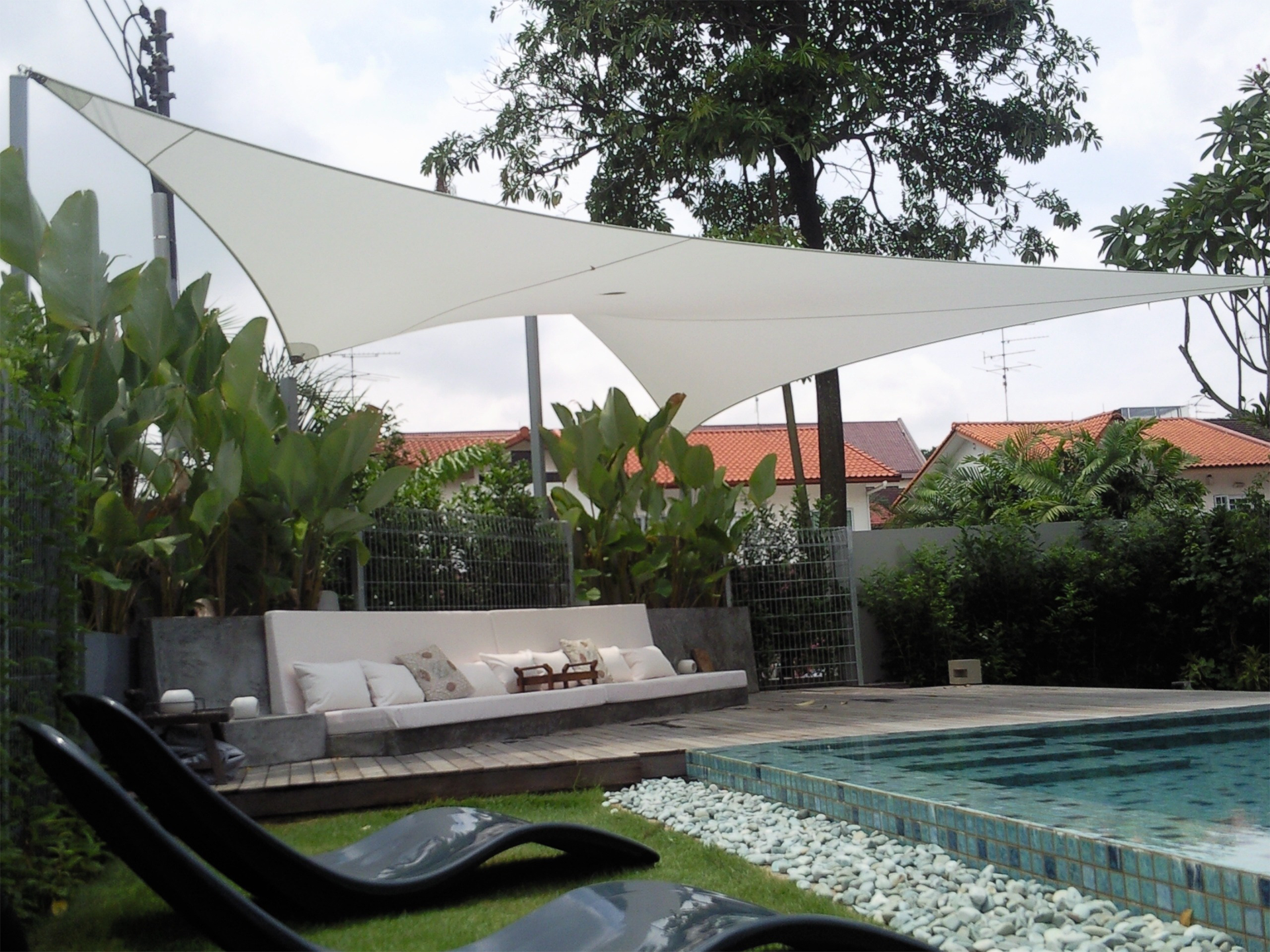
UV protection, airflow and durability are not defined by appearance alone. The real difference lies in the combination of yarn selection and weave construction. Discover how these two factors influence the long-term performance of technical shade textiles and why they are essential for achieving reliable, consistent results. Using airtex® shade 200 as an example, we explore the engineering behind modern shade fabrics.
Why Yarn and Weave Construction Matter in Shade Fabrics
When evaluating shade fabrics, attention is often focused on mesurable characteristics such as UV protection and openness factor or appearance. However, these properties are actually rooted much deeper within the fabric itself. The combination of yarn selection and weave construction is crucial in determining how a shade textile will perform throughout its service life.
The Importance of Yarn Selection
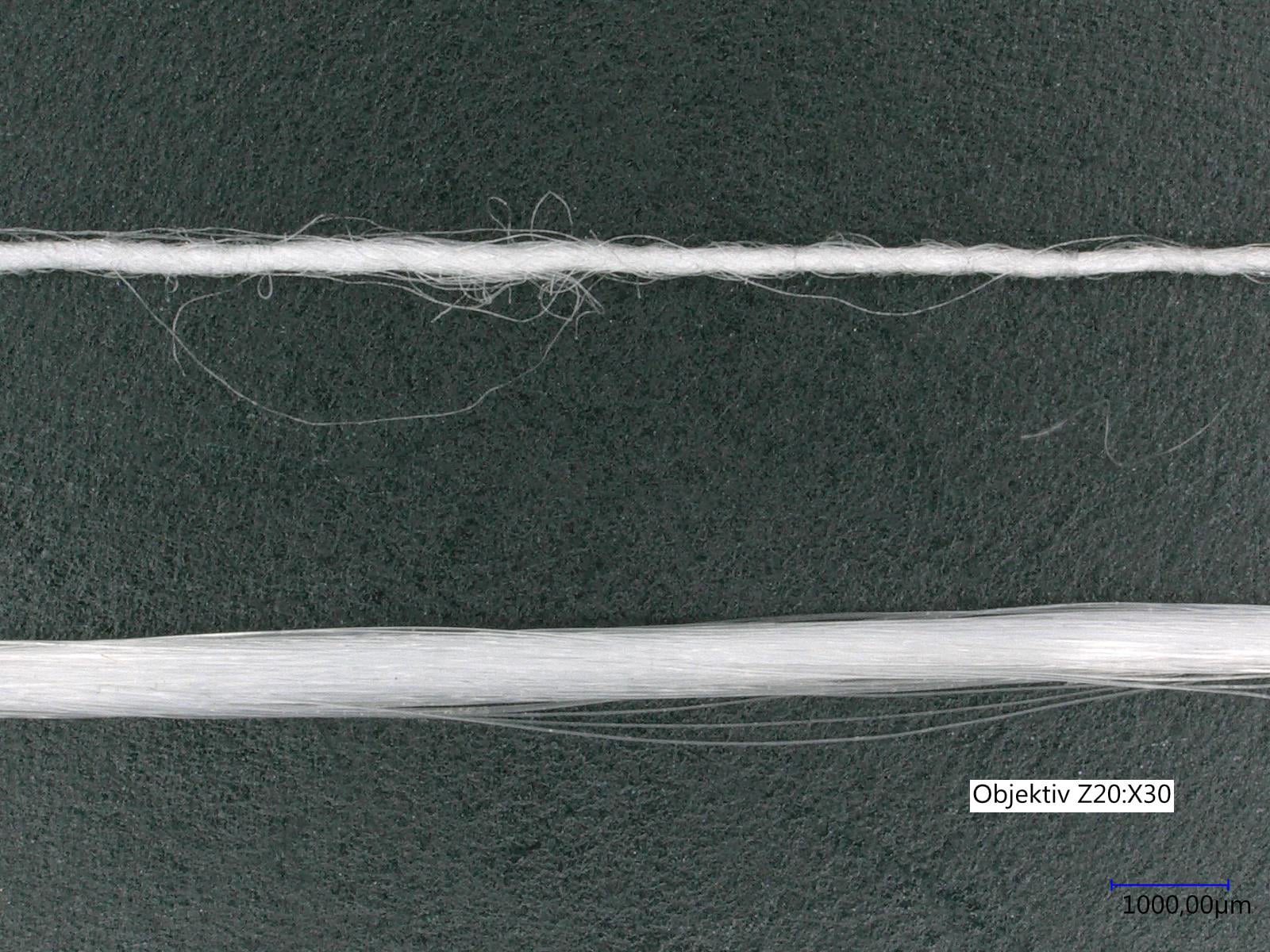
Every woven technical textile starts with yarn. The material, fineness, twist and strength of the yarn influence not only the fabric's appearance, but also its durability, and dimensional stability.
For outdoor shade applications, the yarn must be able to withstand continuous temperature fluctuations, and humidity. High-quality yarns help maintain fabric integrity over time, reducing the risk of deformation and preserving the intended performance characteristics.
Yarn selection also affects the balance between strength and weight. A carefully engineered construction can provide the necessary mechanical properties for long-term outdoor use while keeping the fabric lightweight and easy to handle during fabrication and installation.
How Weave Construction Influences Performance
The yarn forms the building blocks of a fabric, but the weave determines how these individual elements work together.
The weave pattern directly impacts key functional properties such as:
- Light transmission
- Air permeability
- Shade performance
- Visual transparency
- Dimensional stability
By adjusting the yarn count and the weaving pattern, we can achieve different levels of solar protection while maintaining the desired visual appearance and airflow characteristics.
A well-designed weave structure helps distribute loads evenly across the fabric surface. This contributes to long-term stability and reliable performance, especially in challenging outdoor conditions.
Precision Manufacturing for Consistent Quality
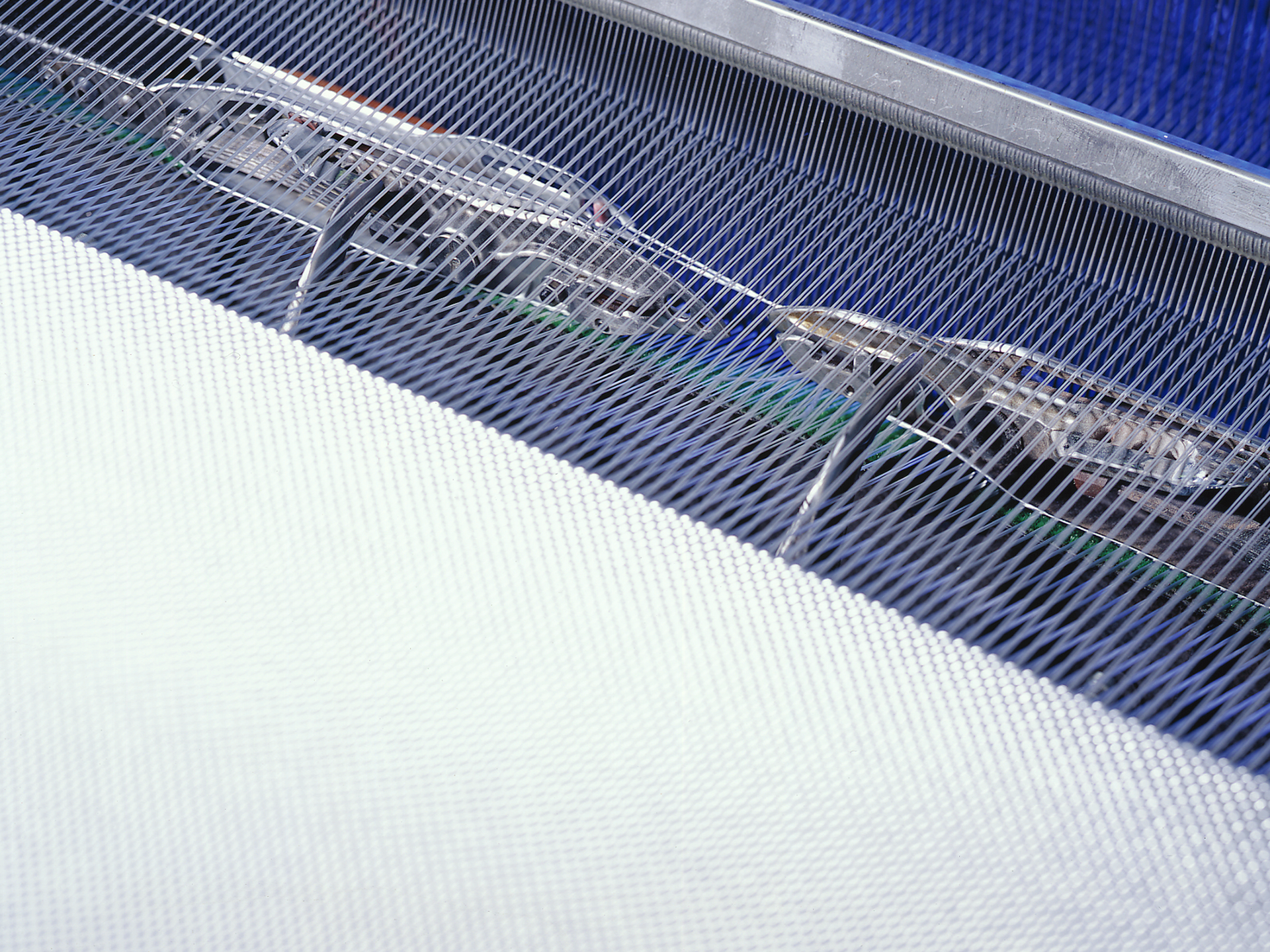
Achieving consistent shade performance requires more than just selecting suitable yarns and weave patterns. Our precision weaving technology ensures that every meter of fabric meets the same specifications and quality standards.
At MehlerHeytex, our modern weaving equipment enables us to maintain tight tolerances throughout the production process. This ensures uniform fabric construction, and repeatable performance characteristics. This level of control is crucial for applications where visual appearance and technical performance must be reliably reproduced across projects and production batches.
airtex® shade 200: A Practical Example
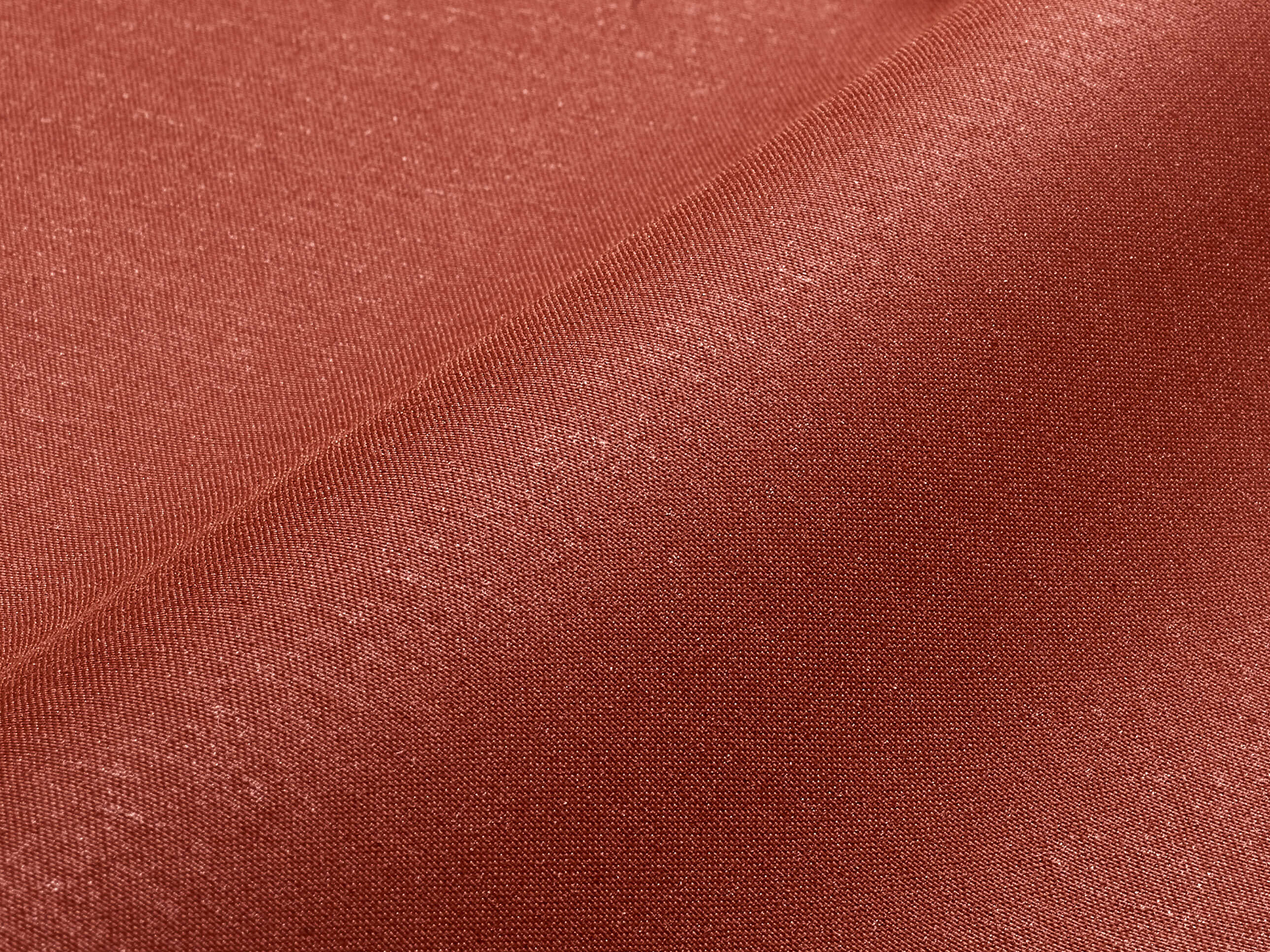
The relationship between yarn quality and weave construction is evident in airtex® shade 200.
Designed for lightweight shade applications, this fabric combines carefully selected yarns and a balanced weave structure to provide effective solar protection, durability, and lightness. The resulting textile reliably performs outdoors while remaining easy to process and install.
Whether used for shade sails, canopies, or other outdoor applications, airtex® shade 200 demonstrates how thoughtful engineering at the yarn and weave levels translates into practical benefits for fabricators and end users alike.
About airtex® shade 200 and its technical properties on the product page.