

TECHNOLOGY THAT POWERS PERFORMANCE
From raw materials to high‑precision coated textiles - our technology platform enables reliable quality, consistent processing and tailored performance for your application.
Engineering Performance Through Technology
Our coated technical textiles are produced using a versatile technology platform designed to meet various performance requirements. Every step of the process, from weaving to coating and finishing, contributes specific properties that enable us to tailor materials to your application. Explore our core technologies and learn how they create durable, stable, and reliable textile solutions.
Warping & Weaving
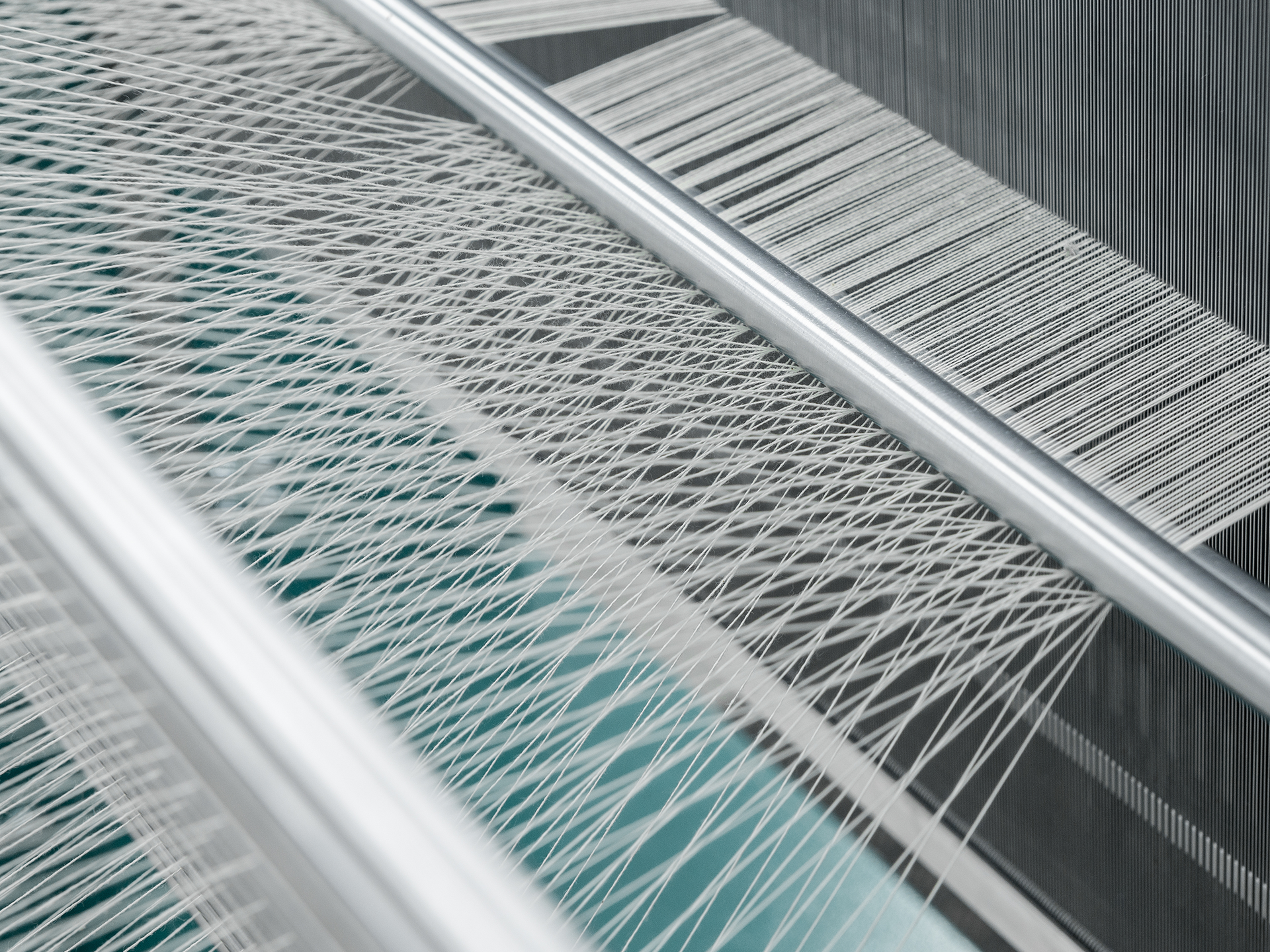
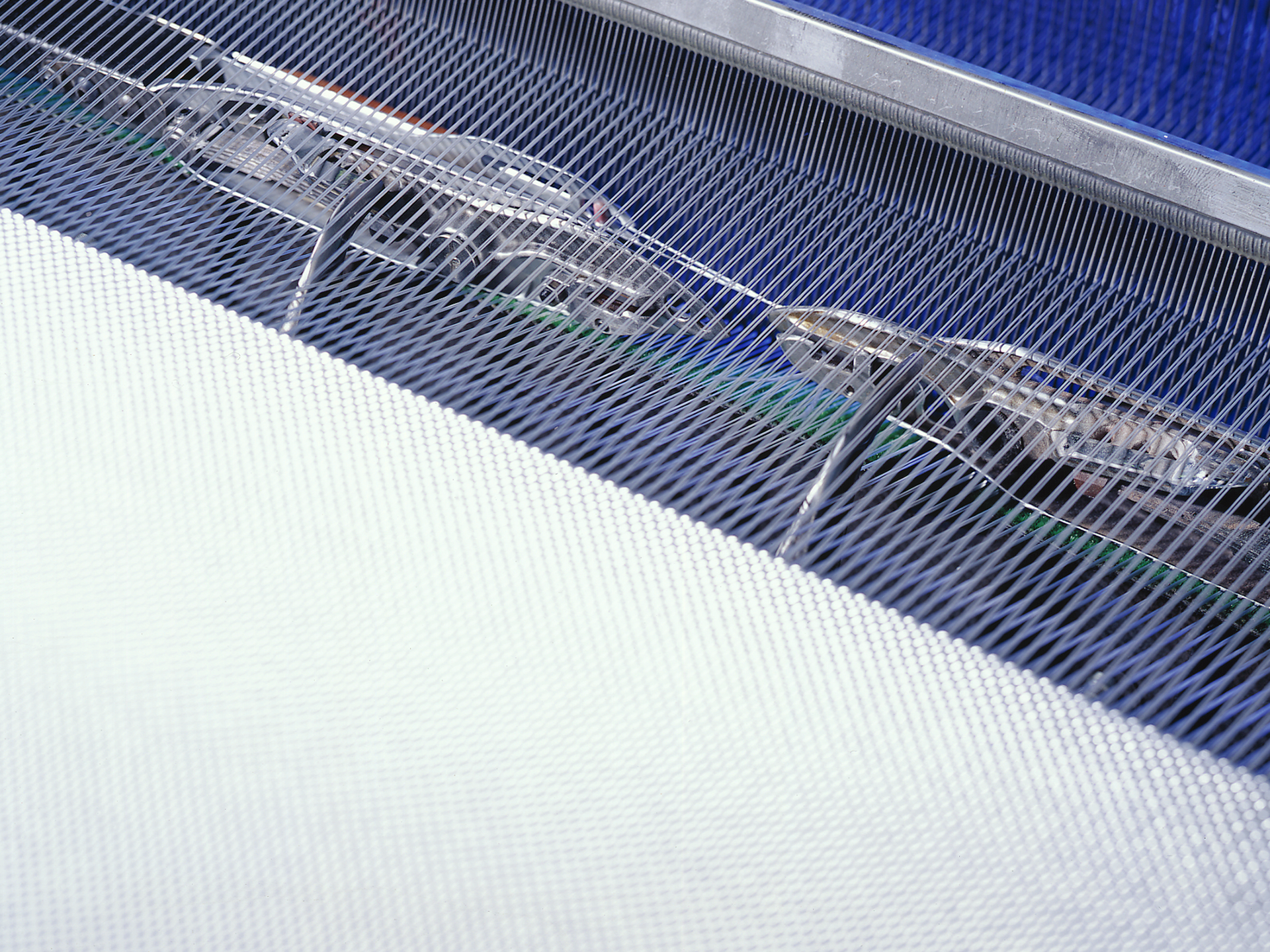
Weaving forms the structural foundation of most coated technical textile, and its quality begins with precise warping. During warping, thousands of yarns are carefully aligned, tensioned, and wound in parallel to create an even and controlled warp beam. This step is essential to ensure consistent yarn tension, accurate positioning, and smooth processing in the loom. In the subsequent weaving process, these warp yarns are interlaced with weft yarns to form a stable base fabric. The combined precision of warping and weaving determines key performance characteristics such as tensile strength, tear resistance, dimensional stability, and how evenly coatings bond to the surface. A well-engineered weave structure ensures uniform load distribution, consistent mechanical behavior, and long-term durability - especially in applications exposed to wind, weather, and continuous mechanical stress. For customers, this means a reliable textile foundation that enables consistent coating results and predictable material performance throughout the entire service life.
Knife Coating
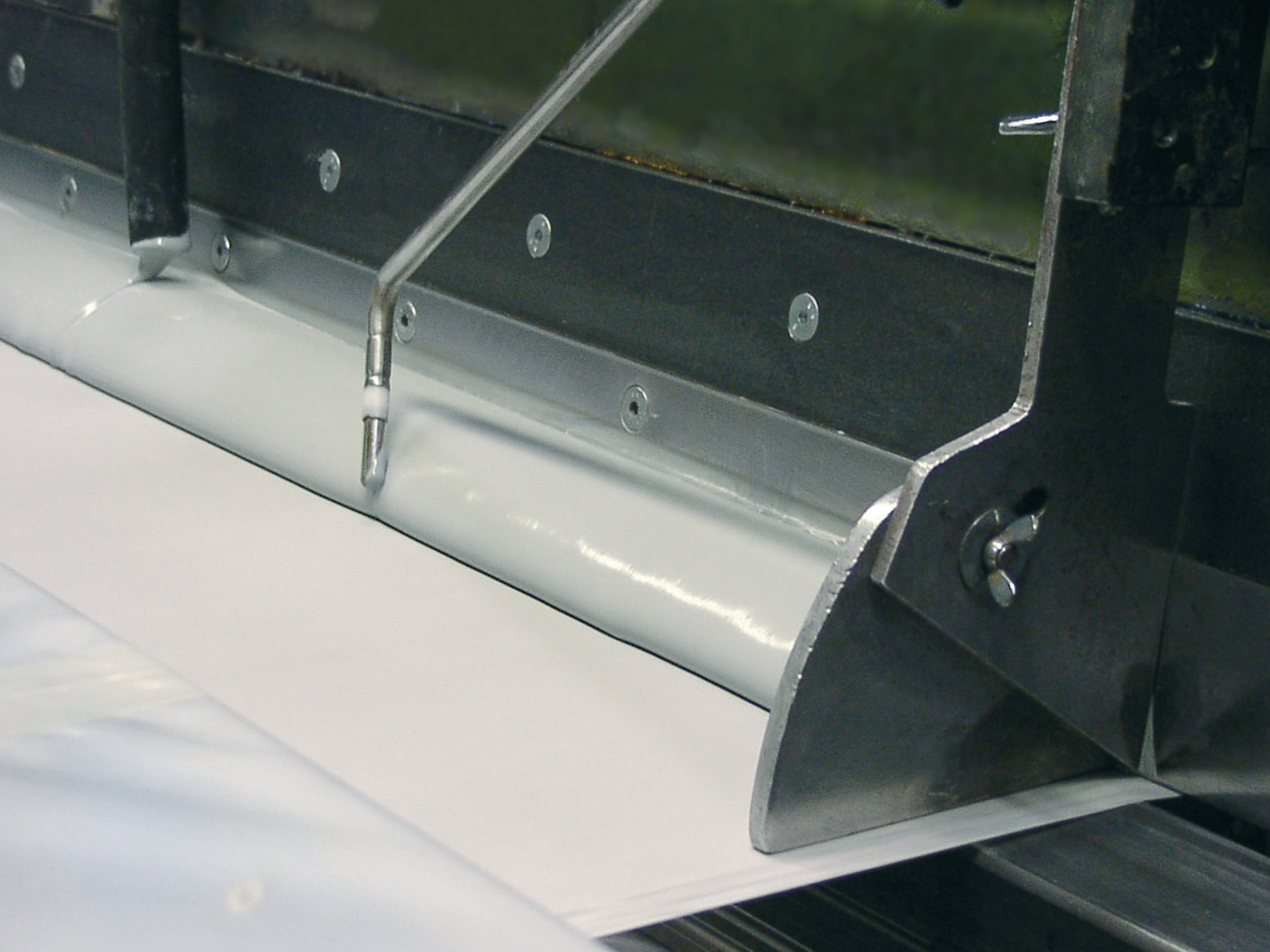
Knife coating applies polymer layers with high precision using a blade that determines the layer's exact thickness. The controlled gap between the blade and the fabric enables consistent coating profiles across the entire width of the textile. This method produces smooth surfaces, strong adhesion, and stable barrier properties, making it ideal for performance-critical applications. Knife-coated materials exhibit excellent waterproofing, dimensional accuracy, and consistent performance even under demanding environmental conditions. This technology ensures consistent performance of every meter of material, which is essential for tents, membranes, industrial protection systems, and other products where structural reliability, tight tolerances, and long-term performance are critical.
Calender Coating
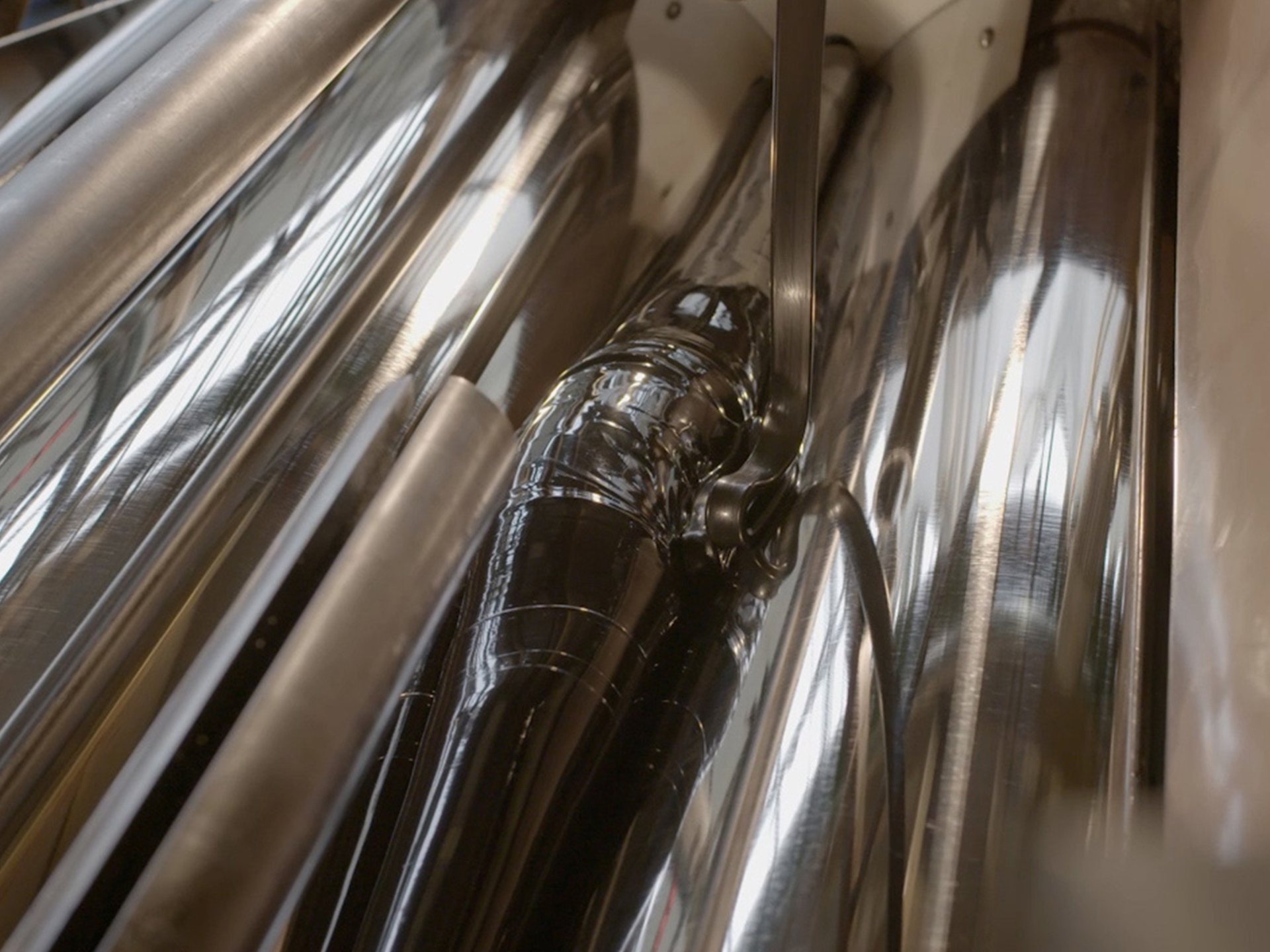
Calendering plays a key role in processing polymer‑based coated textiles for high‑volume production and demanding sealing requirements. By applying controlled pressure and temperature, the coating is compacted to form a dense, closed surface that ensures high impermeability—essential for applications such as containers, floating structures, and boat components. At the same time, calendering optimizes adhesion between polymer layers and guarantees a consistent coating thickness across large production runs. Customers benefit from reliable sealing performance, efficient processing at scale, and durable materials that meet strict functional requirements in liquid‑ and gas‑tight applications.
Lamination
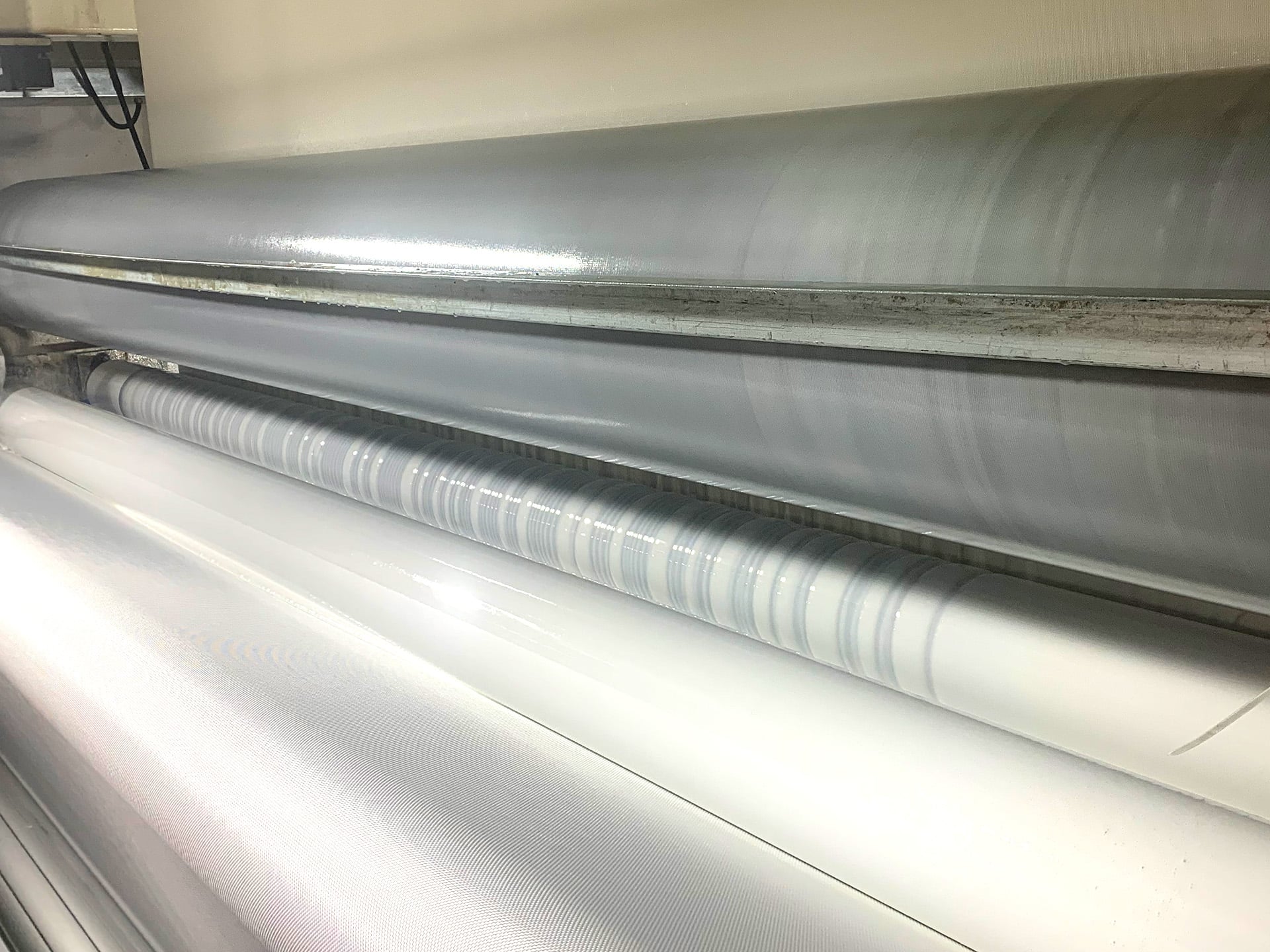
Lamination bonds two or more layers of materials, such as textiles, films, foams, or membranes, into a single composite. Through the use of heat, pressure, or adhesive systems, these layers are combined to form a material with enhanced or multifunctional performance. Laminates can improve tear strength, weather resistance, insulation, chemical protection, and structural rigidity. This flexibility makes lamination vital for advanced applications where a single coating layer is insufficient. Customers gain access to tailored solutions that meet their complex requirements, whether they need extra stability for tent fabrics, strong barrier properties for storage and containment systems, or specialty products that balance strength, flexibility, and environmental performance.
Lacquering
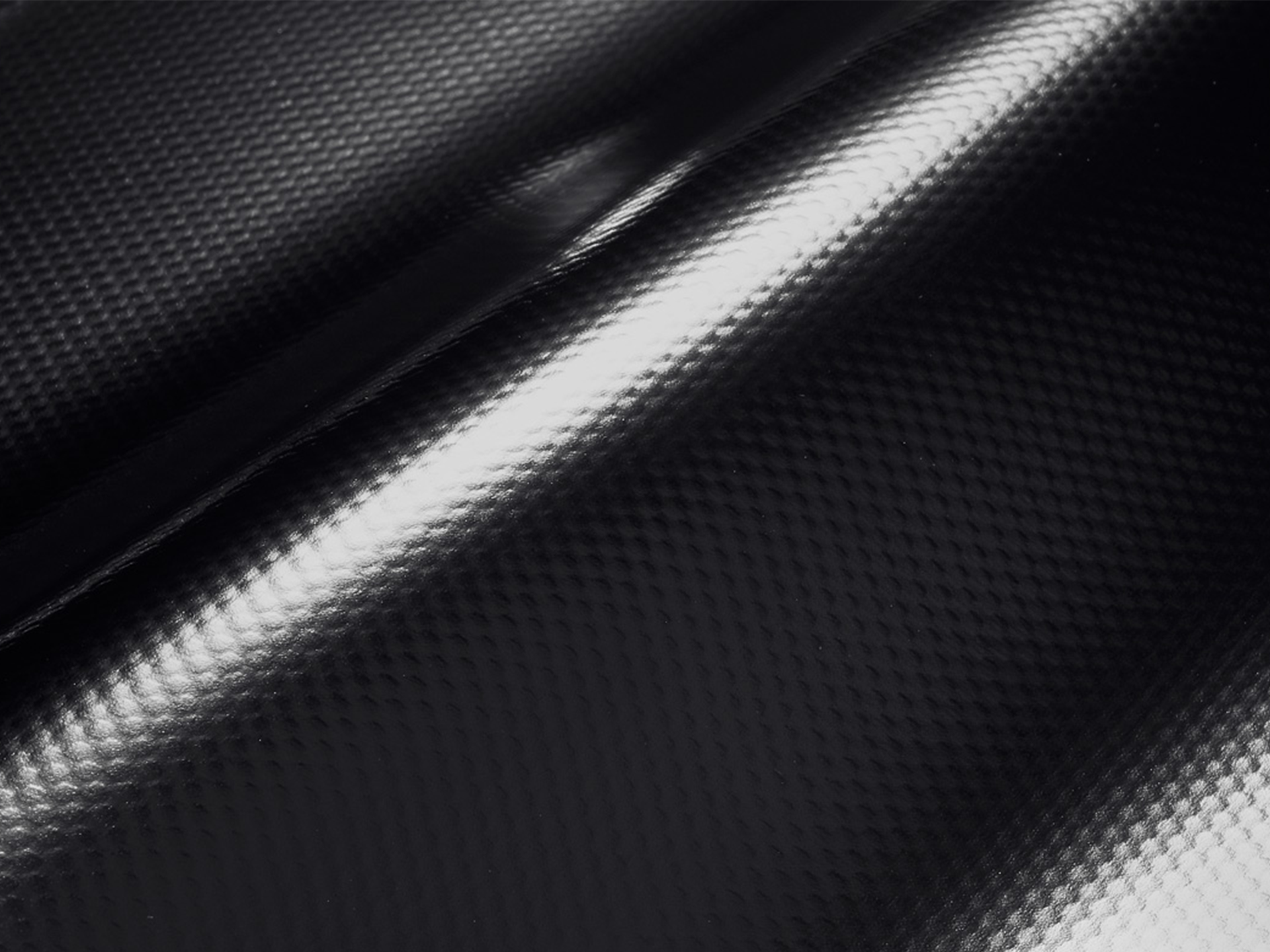
Lacquering involves applying a protective topcoat that enhances performance and appearance. Depending on the formulation, lacquer layers can provide increased resistance to dirt, UV exposure, mechanical wear, and weathering. They also stabilize colors, increase cleanability, and extend the lifetime of the material — which is particularly important for outdoor applications. Lacquers can be glossy or matte. For manufacturers and end users alike, lacquering adds a crucial finishing step. It keeps textiles looking professional over time, maintains surface integrity under demanding conditions, and ensures that coated fabrics remain functional and visually appealing with continuous use.
Embossing
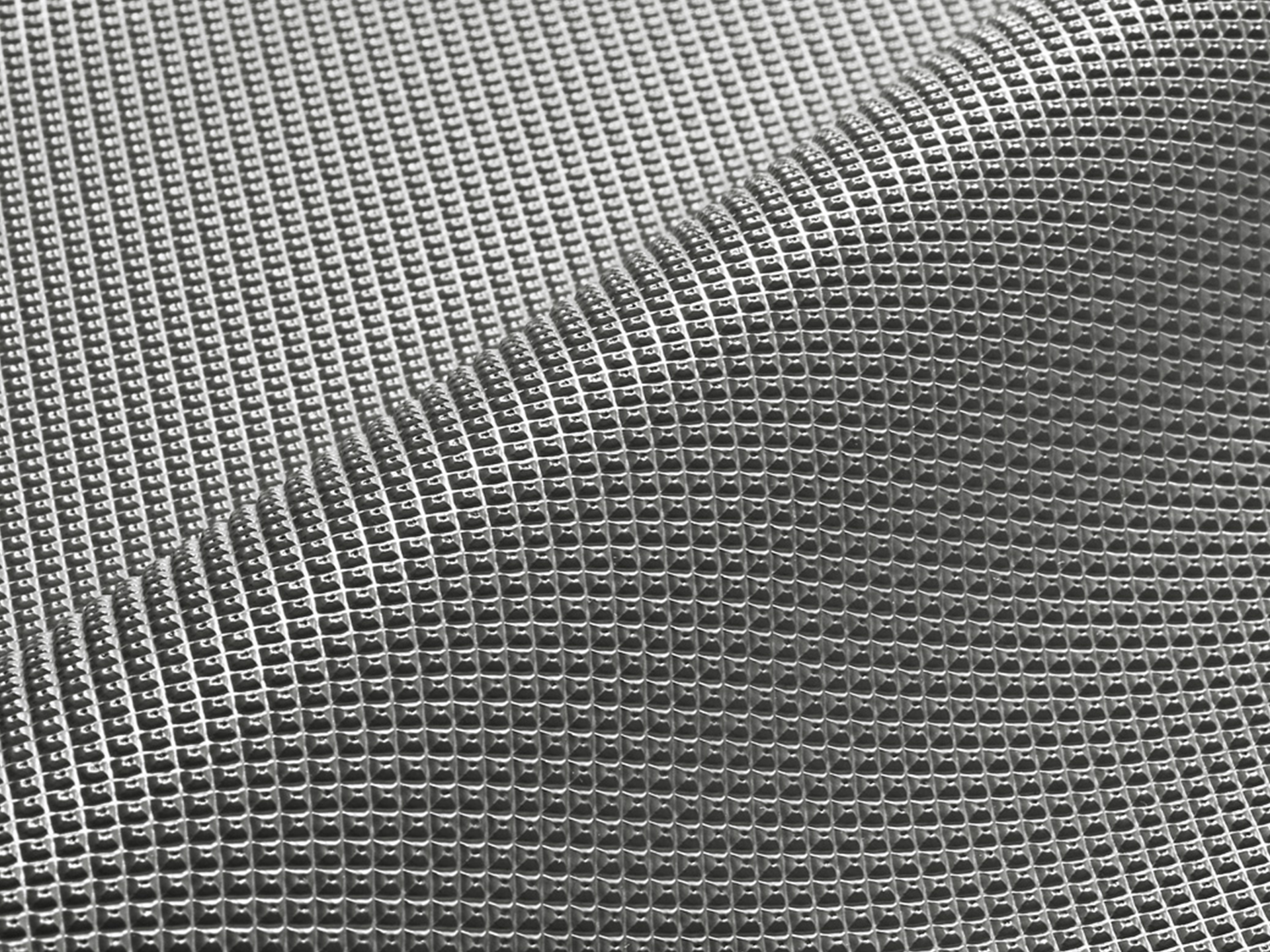
Embossing involves pressing structured rollers into the material to create defined textures on the coated surface. Heat and pressure are used to imprint patterns, such as anti-slip surfaces, functional textures, and visually appealing designs. This process improves grip, reduces glare, enhances handling, and adds a premium look without affecting the underlying mechanical strength. For coated technical textiles, embossing is a powerful tool for combining function and aesthetics. Customers benefit from enhanced usability, such as safer sports mats, easier handling of tarpaulins, and more refined finishes for architectural textiles, while maintaining the base material's durability and performance characteristics.
Foulard Processing
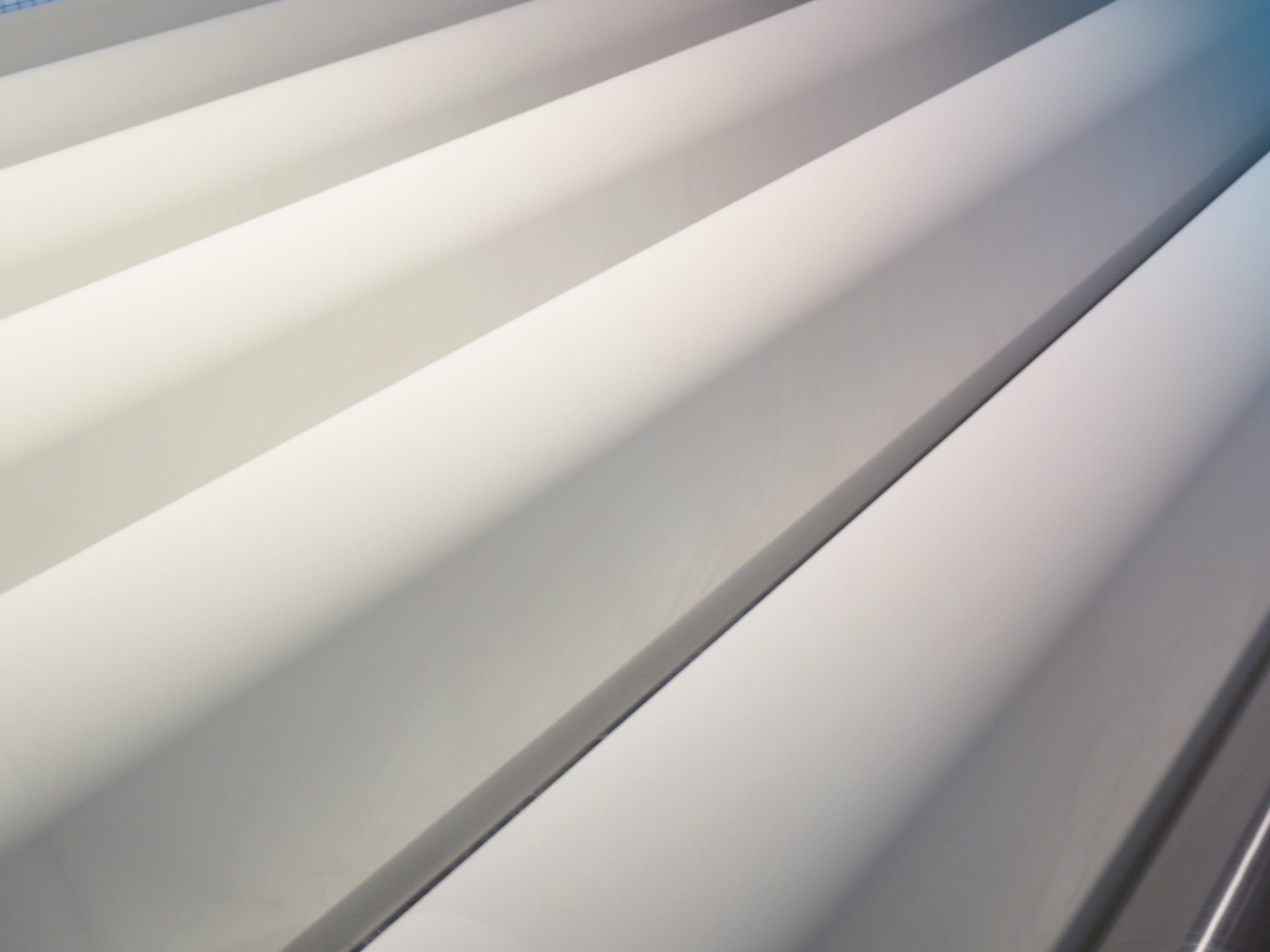
In dip‑coating or foulard processing with aqueous coatings, the fabric is guided continuously through a coating bath and then passed between squeeze rollers to ensure a controlled and uniform add‑on. This process enables even wetting of the textile structure, consistent penetration of the coating formulation, and highly reproducible surface properties, forming a reliable basis for defined functional performance and further processing.
Warping & Weaving
Weaving forms the structural foundation of most coated technical textile, and its quality begins with precise warping. During warping, thousands of yarns are carefully aligned, tensioned, and wound in parallel to create an even and controlled warp beam. This step is essential to ensure consistent yarn tension, accurate positioning, and smooth processing in the loom. In the subsequent weaving process, these warp yarns are interlaced with weft yarns to form a stable base fabric. The combined precision of warping and weaving determines key performance characteristics such as tensile strength, tear resistance, dimensional stability, and how evenly coatings bond to the surface. A well-engineered weave structure ensures uniform load distribution, consistent mechanical behavior, and long-term durability - especially in applications exposed to wind, weather, and continuous mechanical stress. For customers, this means a reliable textile foundation that enables consistent coating results and predictable material performance throughout the entire service life.
Knife Coating
Knife coating applies polymer layers with high precision using a blade that determines the layer's exact thickness. The controlled gap between the blade and the fabric enables consistent coating profiles across the entire width of the textile. This method produces smooth surfaces, strong adhesion, and stable barrier properties, making it ideal for performance-critical applications. Knife-coated materials exhibit excellent waterproofing, dimensional accuracy, and consistent performance even under demanding environmental conditions. This technology ensures consistent performance of every meter of material, which is essential for tents, membranes, industrial protection systems, and other products where structural reliability, tight tolerances, and long-term performance are critical.
Calender Coating
Calendering plays a key role in processing polymer‑based coated textiles for high‑volume production and demanding sealing requirements. By applying controlled pressure and temperature, the coating is compacted to form a dense, closed surface that ensures high impermeability—essential for applications such as containers, floating structures, and boat components. At the same time, calendering optimizes adhesion between polymer layers and guarantees a consistent coating thickness across large production runs. Customers benefit from reliable sealing performance, efficient processing at scale, and durable materials that meet strict functional requirements in liquid‑ and gas‑tight applications.
Lamination
Lamination bonds two or more layers of materials, such as textiles, films, foams, or membranes, into a single composite. Through the use of heat, pressure, or adhesive systems, these layers are combined to form a material with enhanced or multifunctional performance. Laminates can improve tear strength, weather resistance, insulation, chemical protection, and structural rigidity. This flexibility makes lamination vital for advanced applications where a single coating layer is insufficient. Customers gain access to tailored solutions that meet their complex requirements, whether they need extra stability for tent fabrics, strong barrier properties for storage and containment systems, or specialty products that balance strength, flexibility, and environmental performance.
Lacquering
Lacquering involves applying a protective topcoat that enhances performance and appearance. Depending on the formulation, lacquer layers can provide increased resistance to dirt, UV exposure, mechanical wear, and weathering. They also stabilize colors, increase cleanability, and extend the lifetime of the material — which is particularly important for outdoor applications. Lacquers can be glossy or matte. For manufacturers and end users alike, lacquering adds a crucial finishing step. It keeps textiles looking professional over time, maintains surface integrity under demanding conditions, and ensures that coated fabrics remain functional and visually appealing with continuous use.
Embossing
Embossing involves pressing structured rollers into the material to create defined textures on the coated surface. Heat and pressure are used to imprint patterns, such as anti-slip surfaces, functional textures, and visually appealing designs. This process improves grip, reduces glare, enhances handling, and adds a premium look without affecting the underlying mechanical strength. For coated technical textiles, embossing is a powerful tool for combining function and aesthetics. Customers benefit from enhanced usability, such as safer sports mats, easier handling of tarpaulins, and more refined finishes for architectural textiles, while maintaining the base material's durability and performance characteristics.
Foulard Processing
In dip‑coating or foulard processing with aqueous coatings, the fabric is guided continuously through a coating bath and then passed between squeeze rollers to ensure a controlled and uniform add‑on. This process enables even wetting of the textile structure, consistent penetration of the coating formulation, and highly reproducible surface properties, forming a reliable basis for defined functional performance and further processing.
Turning Technology into Performance
At MehlerHeytex, innovation is driven by precision, reliability, and material expertise. Learn how our coating and finishing technologies can create solutions tailored to your needs.